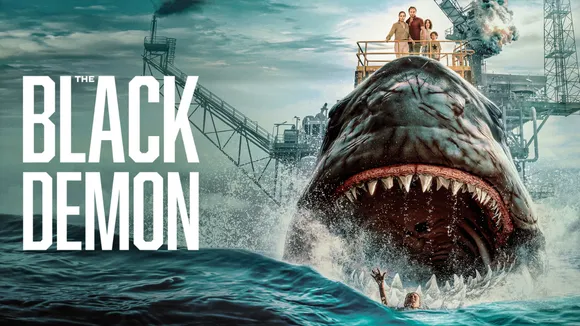
'Black Demon' reinvents creature horror by combining a megalodon shark with Aztec mythology, environmental themes, and psychological tension, using claustrophobic settings, atmospheric cinematography, and human drama to elevate the genre.
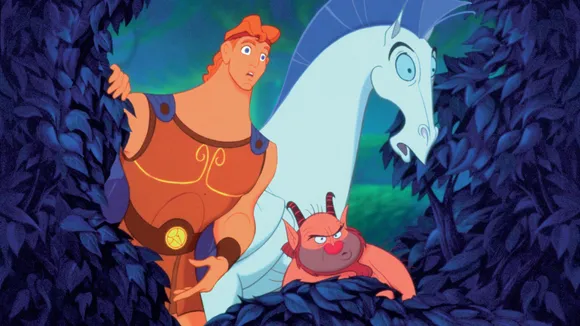
Disney's 'Hercules' stood out in 1997 by blending Greek mythology with gospel music. Through the Muses, upbeat songs, and soulful energy, the soundtrack delivered originality, inclusivity, and a lasting emotional impact.
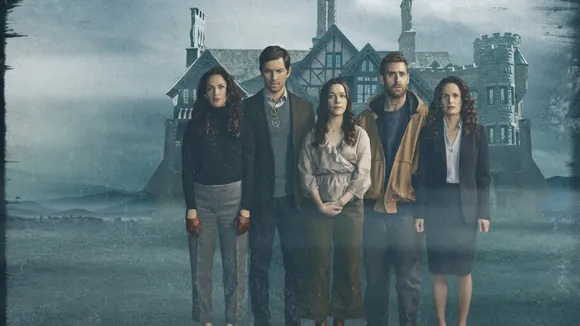
The Bent-Neck Lady twist in 'The Haunting of Hill House' reveals Nell Crain as the ghost, blending shock, emotional depth, and trauma, redefining horror with psychological and humanised storytelling.
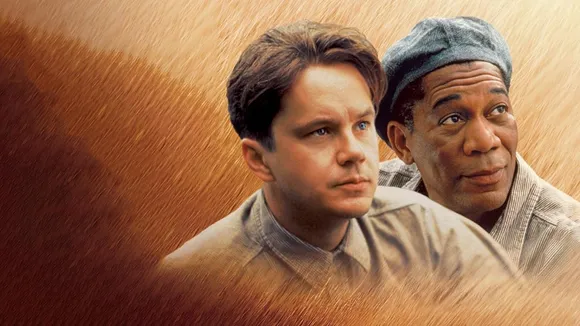
'The Shawshank Redemption' portrays hope versus despair through Andy and Red, showing resilience, inner freedom, and the transformative power of holding onto hope even amid prison’s harshest trials.
Austin Butler faced a series of alarming health issues—including temporary blindness, a viral illness, and chronic foot pain—while filming major roles. He later credited mentor Laura Dern for helping him recover and learn to protect his well-being.
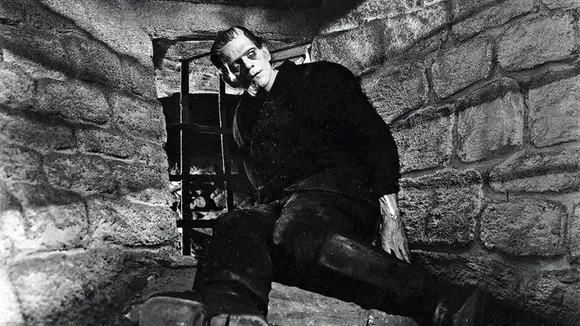
Mary Shelley’s 'Frankenstein' is both horror and tragedy, exploring ambition, scientific overreach, rejection, and loneliness, while reflecting on humanity’s desire for connection and the devastating consequences of hubris.
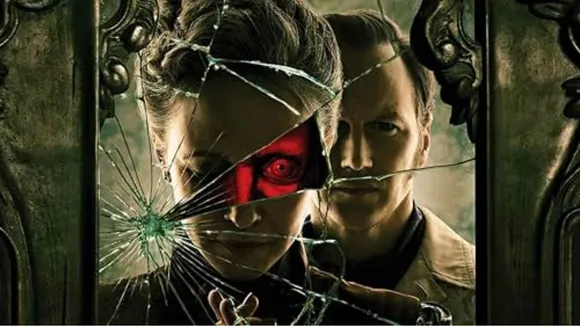
Director Michael Chaves experienced unexplained phenomena while filming 'The Conjuring: Last Rites,' claiming the events convinced him to believe in the paranormal.
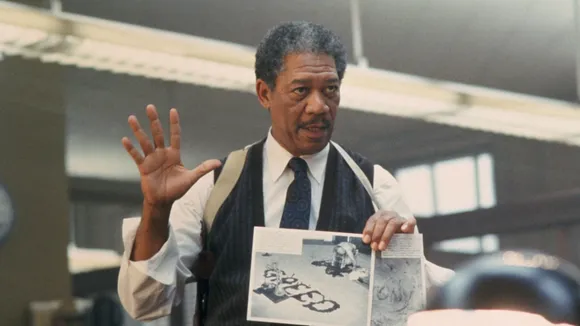
David Fincher's 'Se7en' (1995) redefined crime thrillers with its dark visuals, morally complex narrative, symbolic murders, and shocking ending, influencing 1990s cinema and shaping modern psychological crime storytelling.
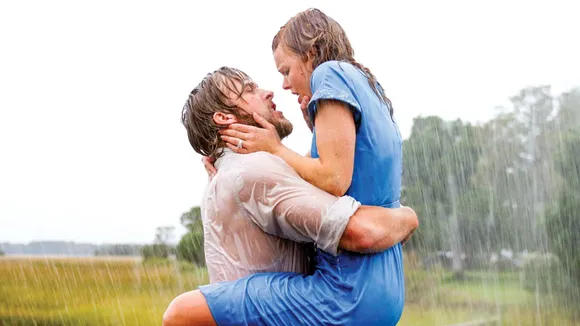
Since 2004, 'The Notebook' has become a modern romantic classic, shaping pop culture and cinema with its emotional depth, iconic moments, and enduring influence on storytelling, romance films, and visual aesthetics.